

Thanh Hung Responds Flexibly as the Cassava Market Enters a Period of Scarcity and Rising Prices
With domestic cassava supply falling in several areas, Thanh Hung Group is taking a range of measures to keep production stable and maintain its supply chain, as prices rise sharply across the regional market.
Published on August 17, 2026
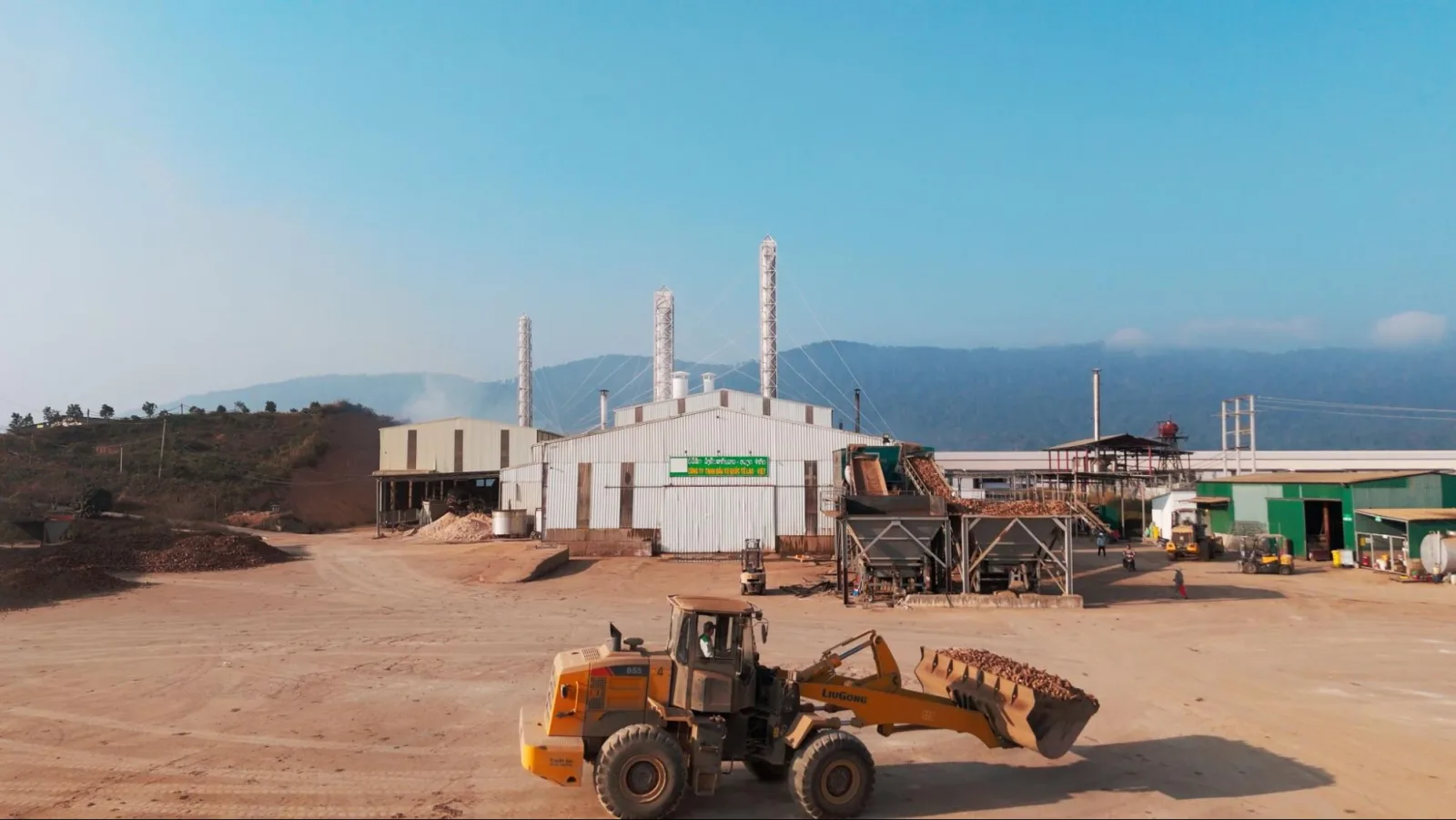
Since the start of 2026, the supply of fresh cassava in many domestic growing areas has fallen significantly because of adverse weather, crop disease and changes in planted area. This has intensified competition among processing factories to purchase raw material, pushing domestic cassava prices steadily higher.
Notably, the pressure comes not only from the domestic market but increasingly from the region, especially Thailand — the world’s largest cassava exporter. Figures from early April 2026 show fresh cassava root prices in Thailand (25% starch content) holding at a high of around 2.6 – 3.25 baht/kg, while export tapioca starch prices rose by about USD 10/ton within a short time. The main causes are the end of Thailand’s harvest season and falling supply, compounded by the lingering effects of cassava mosaic disease and adverse weather from the previous year.
At the same time, international demand — particularly from China — remains high, as cassava partly replaces corn in ethanol and animal feed production. This keeps tightening the regional balance of supply and demand and has pushed prices of cassava products to a high level. Tapioca starch currently trades at around USD 480 – 530/ton on the international market, reflecting prices holding firm in the short term.
Thanh Hung’s response
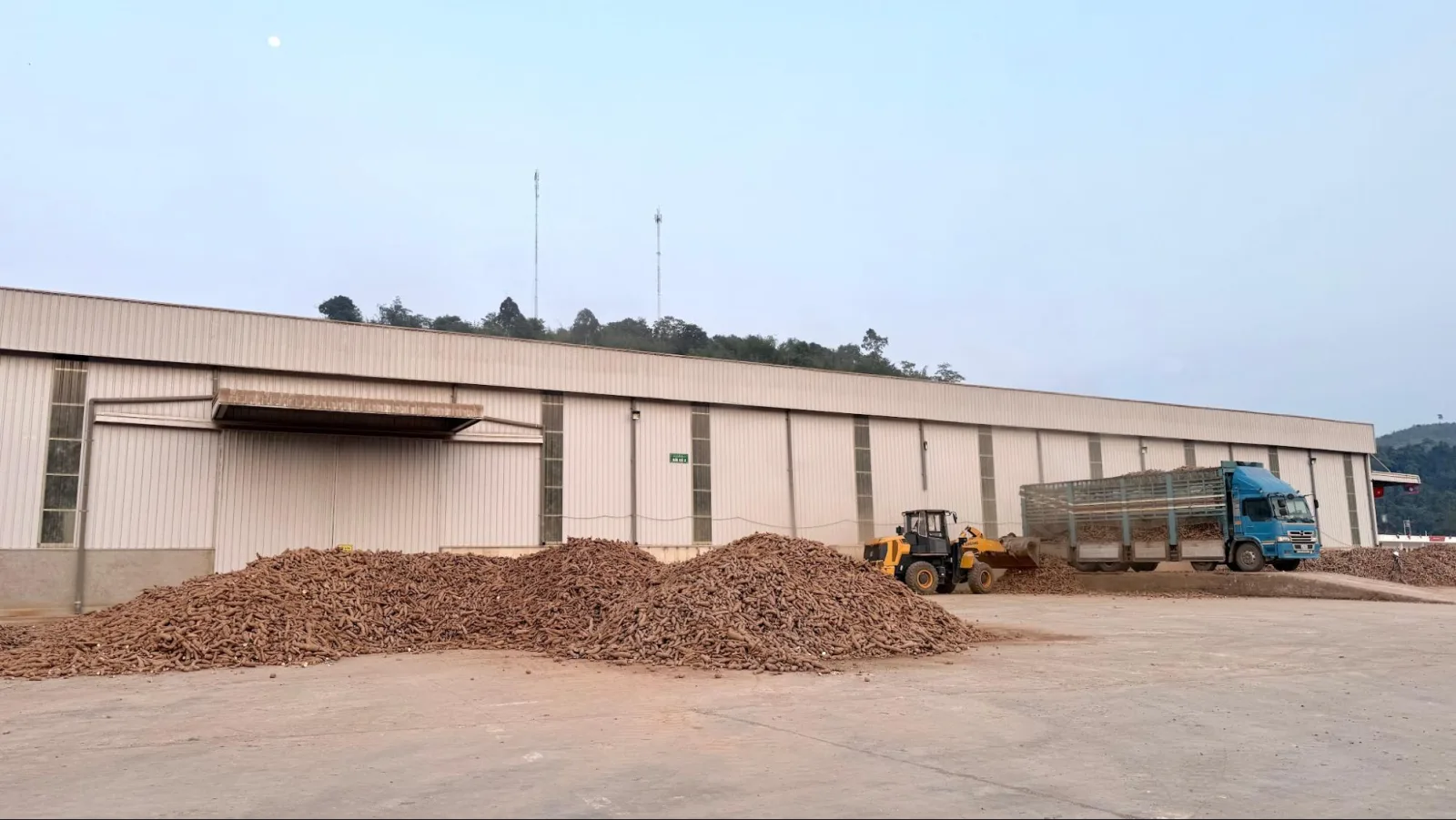
Against this backdrop, Thanh Hung has moved early to diversify its raw material areas, strengthen ties with farmers in Laos and expand purchasing partnerships in several regions to secure its input supply. At the same time, the company is focusing on optimizing production processes and raising processing efficiency to limit the impact of higher raw material costs.
A company representative said that despite market volatility, Thanh Hung continues to operate steadily thanks to a flexible supply chain management strategy. The company is also stepping up research into deep-processed products to add value and reduce its dependence on raw materials.
Market outlook
Experts expect high cassava prices to last at least until the end of Q2 2026, as new supply has yet to come in while import demand remains strong. With Thailand short of supply, Vietnam has an opportunity to grow its export market share, but also faces heavy pressure on raw material inputs.
Overall, the cassava market is entering a sensitive phase, with many factors at play at once. For Thanh Hung, this is both a challenge in securing stable supply and an opportunity to benefit from high prices and improve business performance, provided it keeps its operating strategy proactive and flexible.